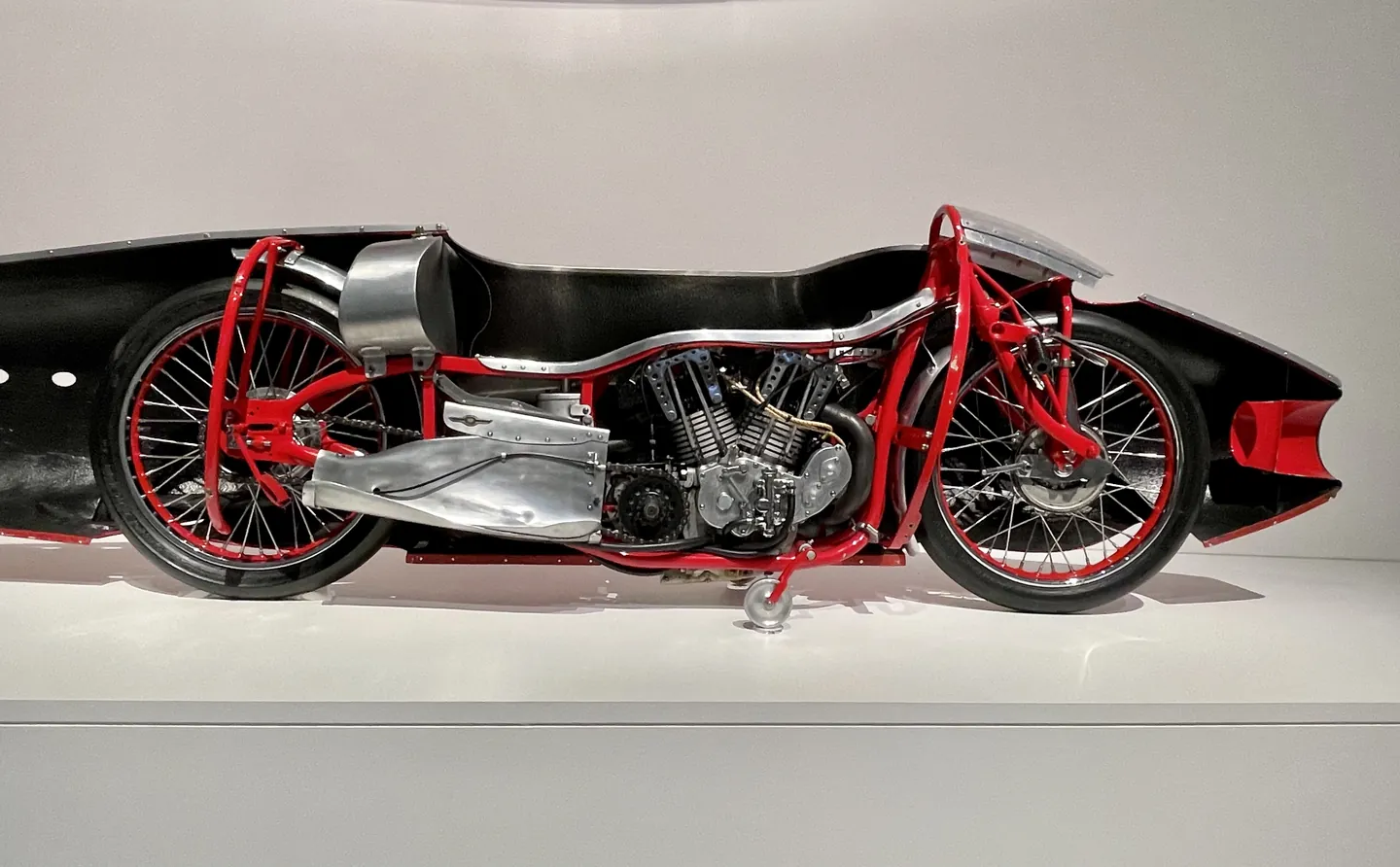

New Zealand · Land-speed racing
Burt Munro and the World's Fastest Indian
How a New Zealander spent decades developing a 1920 Indian Scout and set a land-speed record at Bonneville in 1967.
Motorcycle stories from around the world
How a New Zealander spent decades developing a 1920 Indian Scout and set a land-speed record at Bonneville in 1967.
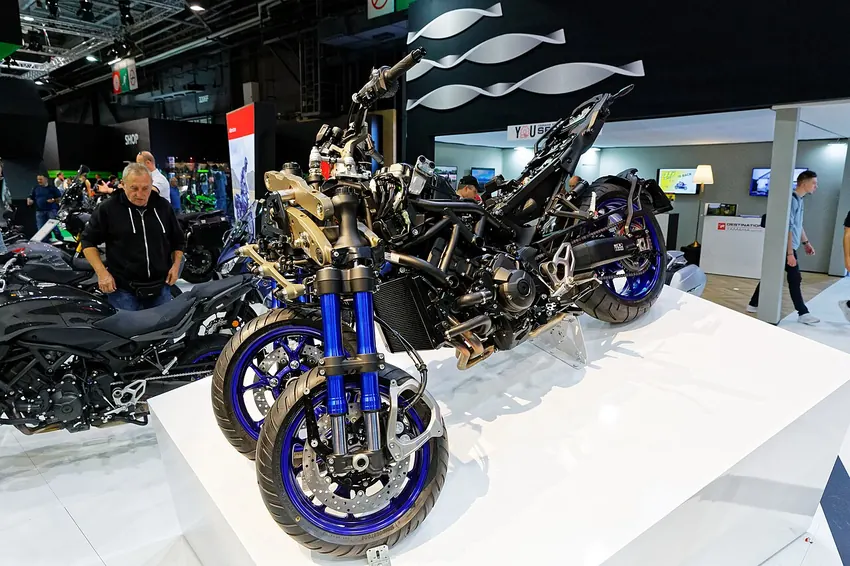
Why Yamaha developed a leaning three-wheeler, and how its front-end engineering changes the way we think about motorcycle design.
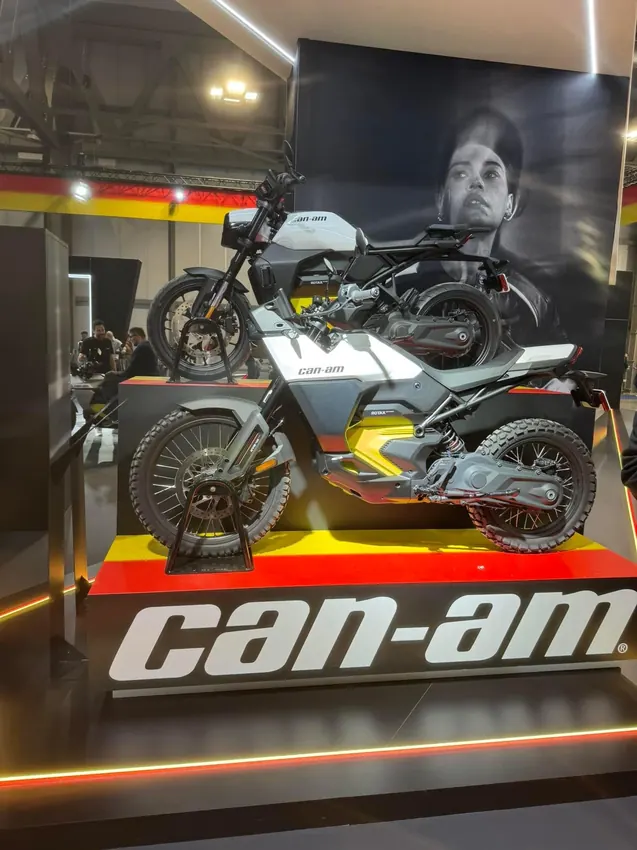
Two different approaches to electric motorcycling, and why charging, conditions and riding purpose matter.
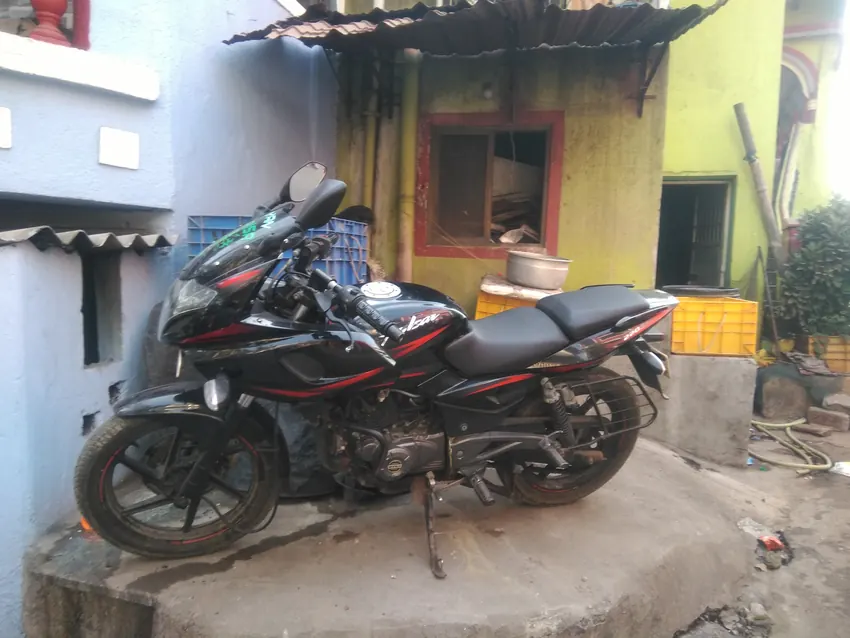
A look at how India's long-running Pulsar family balanced sporty character with practical everyday riding.
Browse the full motorcycle events calendar →
– · Chang International Circuit, Buriram
– · Isle of Man
– · Ragley Hall, Warwickshire
How local needs, roads and riding habits shaped motorcycles in Japan, India and Italy.
Honda’s step-through Super Cub debuted in 1958. Its approachable controls made it a practical choice for everything from commuting to deliveries.
Royal Enfield’s British roots and production history in Chennai set the scene for the Himalayan, an adventure bike shaped by India’s varied roads.
The original Vespa met Italy’s need for affordable transport in 1946. Its leg shield and step-through bodywork remain part of its identity.
A commuter in one country can be a weekend bike in another. Roads, fuel, licensing and passenger needs all shape what riders look for.
From the Springfield factory to Indian’s modern revival.
The original factory, legendary motorcycles and the differences between historic generations.
Read the history of the Scout and Chief →Why Victory came first and how the modern Indian marque returned.
Read how Polaris revived Indian →Explore the complete Indian manufacturer history and models →
Unusual machines, clever engineering and motorcycle designs that make you stop scrolling.
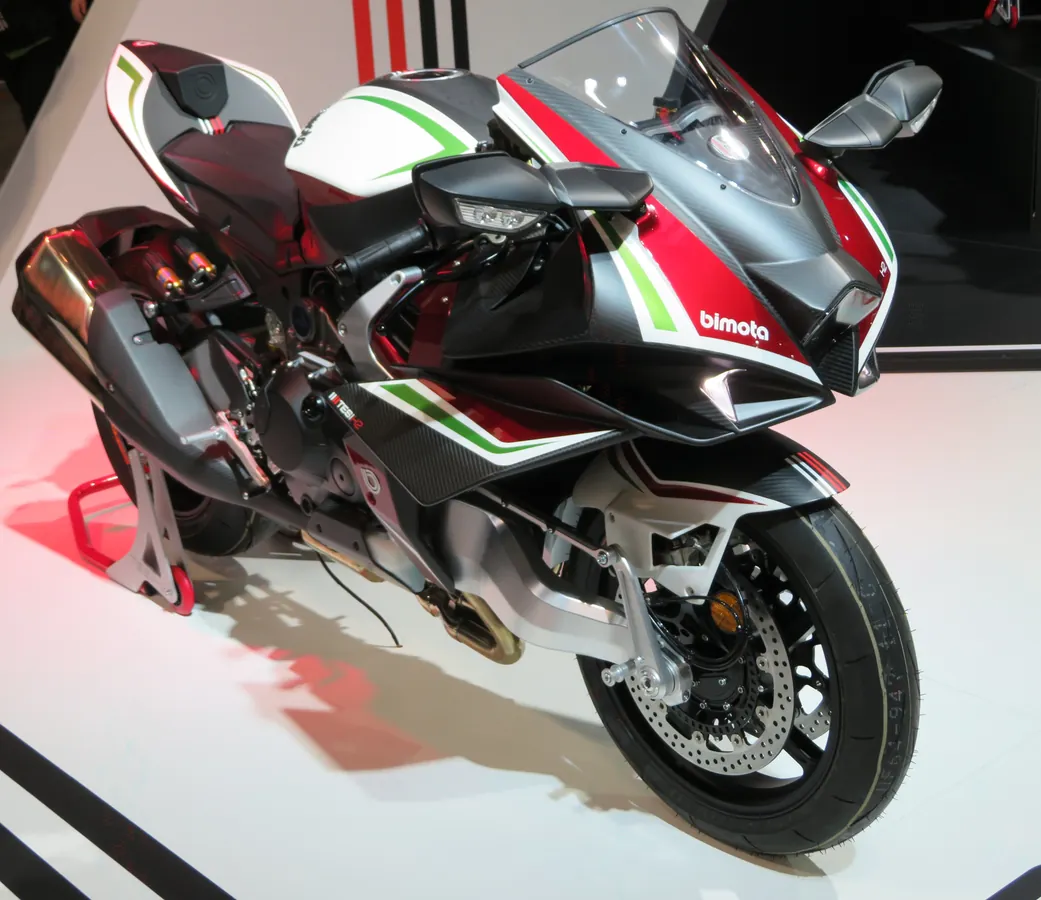
Why does the Bimota Tesi H2 have such a strange-looking front end? The engineering is even more interesting than the styling.
Explore the Tesi H2 design →The Ducati Diavel V4 combines muscle-bike presence with modern V4 engineering. Let's take a look at what makes it so distinctive.
See the Diavel story →Honda once made a motorcycle that looked like it had arrived from a science-fiction film. Meet the NM4 Vultus.
Read about the Honda NM4 Vultus →Explore documented milestones from Honda, Suzuki and Yamaha. Each article links to the original manufacturer source and the exact motorcycle model guide. Individual years and variants matter.
Discover the pressed-steel frame, maroon factory finish and early production story behind Honda's 1949 Dream D-Type.
Read the Dream D-Type story →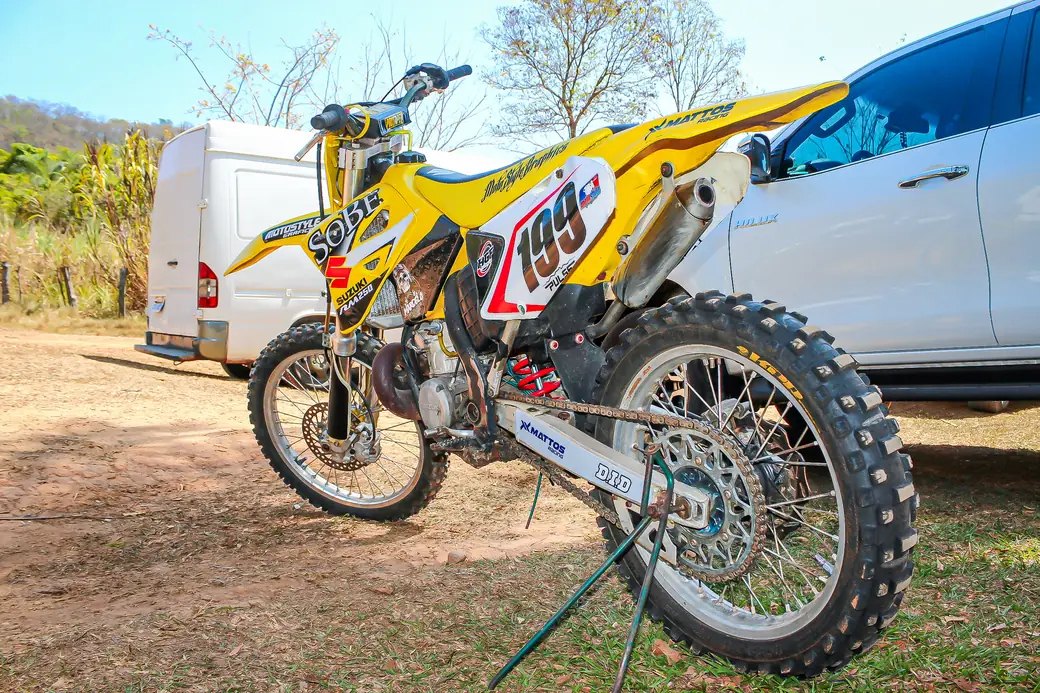
Follow the changes in the Suzuki RM250's engine, cooling and suspension through documented factory-archive model years.
Read the Suzuki RM250 story →What made the 1974 YZ250M distinctive? The original Yamaha archive documents its Monocross rear suspension and two-stroke engine.
Read the 1974 Yamaha story →These are editorial historical stories, not claims of current stock, destination-country registration eligibility or the condition of any individual motorcycle.
Discover motorcycle technology and model comparisons, drawing on published manufacturer information.
BMW's Automated Shift Assistant can operate the clutch and change gears automatically on equipped bikes. Unlike a conventional manual, riders need not work a clutch lever when setting off or stopping; gear selection can still be controlled by the rider. The choice matters most for slow-speed manoeuvres, commuting and extended travel.
The supercharged 998cc inline-four sets this machine apart from naturally aspirated sport tourers. Kawasaki pairs performance with adaptive cruise control, blind-spot detection and electronically controlled suspension. Its appeal is the combination of strong acceleration and long-distance equipment rather than track-focused minimalism.
The Ducati Panigale V4 and Kawasaki Ninja H2 SX SE each pursue serious performance differently. Ducati's Panigale development focuses on aerodynamics, cornering control and track ergonomics; Kawasaki adds touring comfort and rider-assistance equipment to a supercharged engine. Comparing them meaningfully means looking beyond horsepower to riding position, equipment and intended journeys.
Discover the independent engine builders, factory performance parts and premium factory editions that shaped Harley-Davidson performance culture — without confusing upgrades with CVO authenticity.
Read the historical feature →Independent educational guides, not product endorsements, fitment approvals or installation advice. Model compatibility, professional assessment and road legality always need checking.
How to compare tyre types, approved fitment, load ratings and wet-weather claims without confusing examples for endorsements.
Read the educational guide →What shocks, springs, setup and suspension specialists can and cannot promise.
Read the educational guide →The engineering, ownership and UK roadworthiness questions behind specialist forced-induction builds.
Read the educational guide →Technology changes more than speed. Modern motorcycles are using active electronics, automated transmissions and highly developed aerodynamics in very different ways.
Ducati's latest-generation Panigale V4 integrates its aerodynamic surfaces into the overall shape of the motorcycle. Revised contact points and chassis design aim to help riders move naturally on the bike and control it through demanding corners. Here, styling and engineering are closely connected.
See Ducati's design notes ↗Its 30-litre fuel tank, optional Automated Shift Assistant and adaptive vehicle height control illustrate a different approach to innovation. Rather than chasing outright top speed, BMW uses electronics and packaging to make a large adventure bike more adaptable to its rider and surroundings.
See BMW's model details ↗A mechanical supercharger distinguishes Kawasaki's engine from most production motorcycles. On the H2 SX SE, that powertrain sits alongside radar-assisted riding features and electronically adjusted suspension—an unusual mixture of high performance and touring technology.
See Kawasaki's technology ↗Specifications and equipment can vary by year, market and variant. Manufacturer links are provided so readers can check the relevant version.
Why Royal Enfield's Himalayan is so different from the big adventure bikes. Look at the generations, riding position and mountain-inspired design.
Read about the Himalayan →The Suzuki Hayabusa has a shape you'll recognise instantly. Find out why the styling, aerodynamics and unusual name matter.
Read the Hayabusa story →How a seven-speed dual-clutch transmission fits the Gold Wing's emphasis on touring comfort and smooth control.
Read about the Gold Wing’s DCT →Discover independent motorcycle writers, publications and creators. These are external resources for readers to explore; none is affiliated with AnyBike or currently a contributor to AnyBike Global.
Road tests, motorcycle news, racing coverage and industry reporting from Australia.
Visit MCNews ↗Noraly's solo motorcycle travel stories, routes and videos from countries around the world.
Visit Itchy Boots ↗Independent adventure motorcycle reviews, riding stories, equipment and travel perspectives.
Visit ADVMoto ↗Custom motorcycles, builders, design stories and photography from the motorcycle scene.
Visit Bike EXIF ↗South African motorcycle launches, reviews, dealership developments and riding stories.
Read ZA Bikers ↗Road tests, model comparisons, motorcycle market information and owner perspectives from India.
Read BikeWale ↗New Zealand motorcycle reporting, new model news, riding and motorsport stories.
Visit Bike Rider ↗Canadian riding stories, motorcycle tests, technical features and international travel writing.
Read Motorcycle Mojo ↗External links open their owners' websites. Articles, images and videos remain the property of their respective creators.
The right motorcycle depends on how and where it will be ridden. Explore the design, technology and riding choices that shape motorcycling.
A sports motorcycle places greater emphasis on aerodynamic bodywork, strong braking and a committed riding position. Touring machines generally prioritise long-distance comfort, wind protection and carrying capacity. Engine layout, chassis geometry and weight distribution all contribute to how a bike behaves.
Most conventional motorcycles use a rider-operated clutch and gear lever. Scooters often use continuously variable transmissions, while some motorcycles offer dual-clutch or automated-shift systems. These technologies differ in how they change gear and how much control the rider retains.
A motorcycle suited to open-road touring in one country may be used for city commuting or rural travel elsewhere. Climate, road surfaces, infrastructure, licensing rules and parts availability shape how people choose and use motorcycles around the world.
Engine capacity alone rarely tells the whole story. An informative comparison considers the correct production years and variants, riding position, fuel capacity, weight measured on a consistent basis, available electronic equipment, transmission choices and the jobs each motorcycle is designed to do.
Where real riders and reviewers disagree, their impressions should be credited as opinions rather than presented as technical facts. Different riding impressions should be attributed to their original reviewers.
The riders, engineers and motorcycles that shaped competition. These historical features are based on manufacturer archives, not claims about current teams or results.
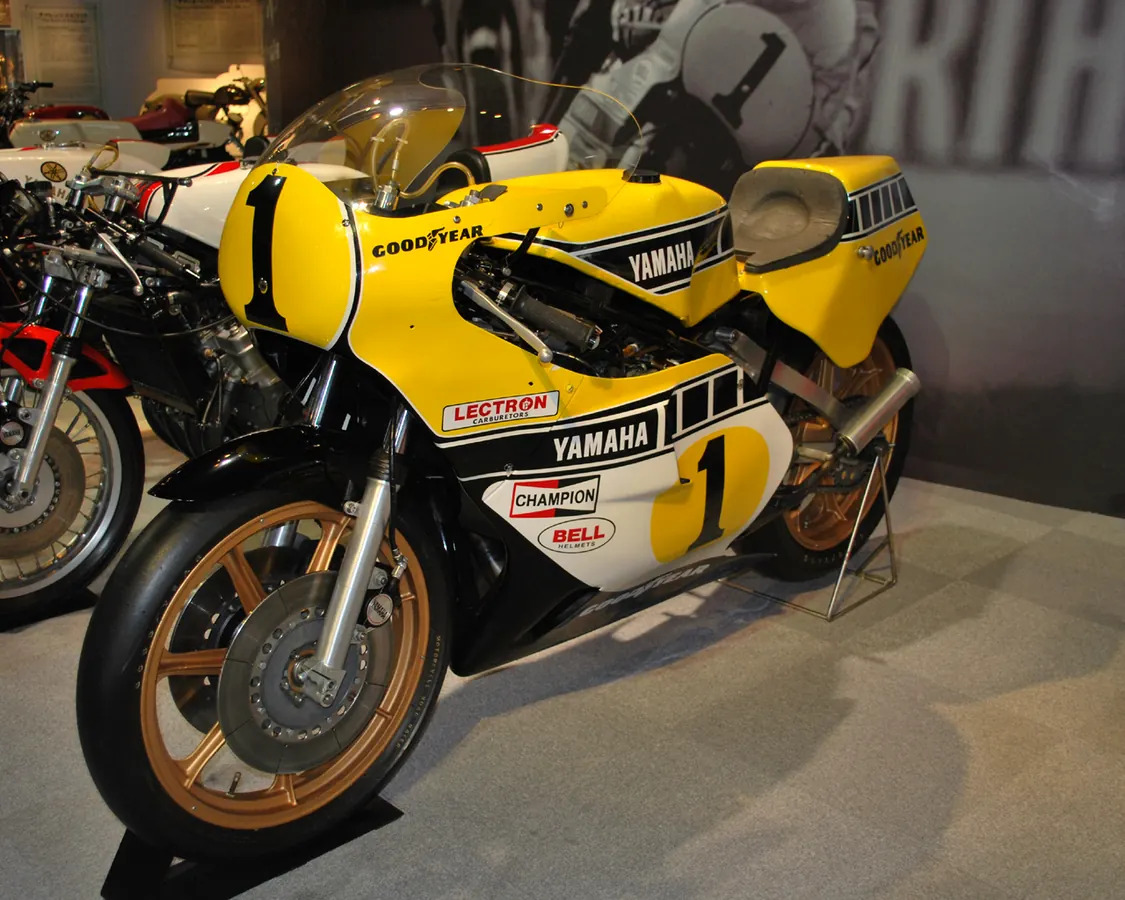
When American dirt-track champion Kenny Roberts joined Yamaha’s 500cc Grand Prix effort in 1978, his cornering technique brought a fresh approach to the world championship. Yamaha’s racing archive records three successive 500cc riders’ titles in 1978, 1979 and 1980, on successive YZR500 works machines. The 1978 YZR500 (0W35K) incorporated Yamaha’s YPVS exhaust-valve technology.
Honda’s 1966 500cc racing experience helped shape the road-going CB750 Four. Its four-cylinder engine and front disc brake became landmarks of the production motorcycle. Honda records a Suzuka 10 Hours victory for Morio Sumiya and Tetsuya Hishiki in 1969, followed by Dick Mann’s Daytona 200 victory on a CB750 in 1970. It is a story of racing knowledge finding its way into a motorcycle customers could buy.
The 1978 500cc world championship put Yamaha’s Kenny Roberts against Suzuki’s Barry Sheene. Yamaha’s season record places Roberts first with 110 points and Sheene second with 100. Yet Suzuki won the manufacturers’ championship that year. The distinction shows why AnyBike will track riders’ titles and constructors’ titles separately rather than treating a winning rider as proof of a manufacturer sweep.
Select a manufacturer to see its motorcycle range, racing heritage and documented championship riders.
Motorcycle publishers, manufacturers, bloggers and video creators can pitch a local riding story, race report, model feature or video. Send a short summary and a link to your work. Approved stories will have a byline, a link to your site or channel and a permanent AnyBike article address.
Pitch a story →


